

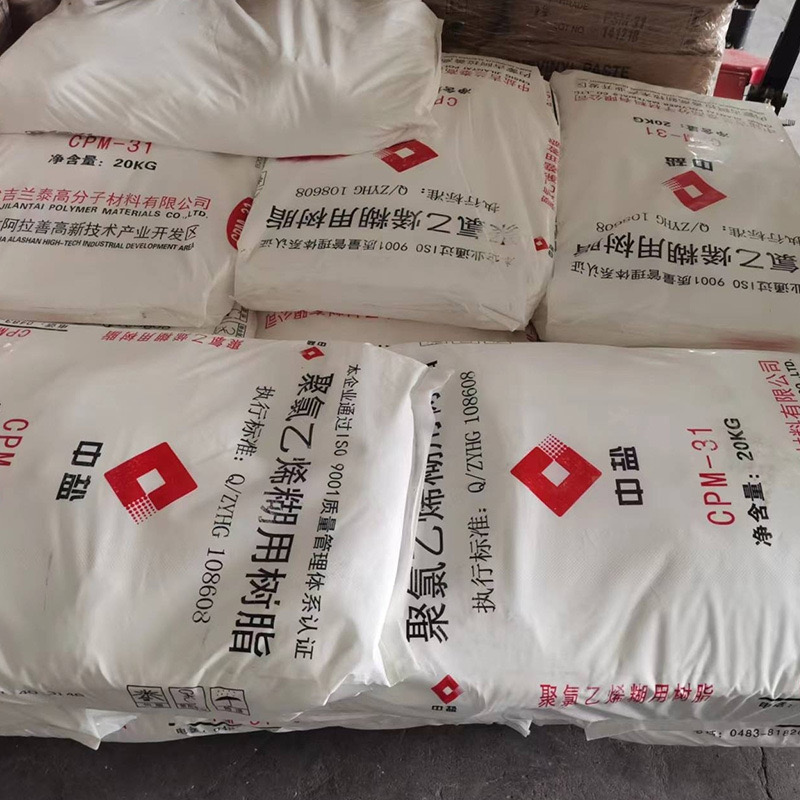
Introduction:
In the first half of 2025, the PVC paste resin industry struggled to advance amidst a complex landscape intertwined with multiple external variables.
The ex-factory price of PVC paste resin once fell to a five-year low, dropping below 6,000 yuan/ton. The increase in supply from upstream enterprises and the continuous decline in raw material prices led to insufficient cost support, resulting in a weak trend of profit pressure in the industry as a whole.
The ex-factory price of PVC paste resin once fell to a five-year low, dropping below 6,000 yuan/ton. The increase in supply from upstream enterprises and the continuous decline in raw material prices led to insufficient cost support, resulting in a weak trend of profit pressure in the industry as a whole.
Analysis of paste PVC resin supply trend from January to June 2025
In the first half of 2025, the total supply of PVC paste resin increased. Currently, the total production capacity nationwide stands at 1.515 million tons, an increase of 20,000 tons compared to the end of 2024. Figure 2 shows the proportion of PVC paste resin production capacity in each region in the first half of 2025
Based on the regional division of production capacity of manufacturing enterprises, the domestic production capacity of PVC paste resin is primarily distributed in the northwest region, accounting for a whopping 42% of the total; followed by the north and east China regions, each accounting for 20%; the northeast region ranks fourth with a share of 14%. Shenyang Chemical Industry Co., Ltd. expanded its production capacity by 20,000 tons in the first quarter and is currently the largest PVC paste resin manufacturing enterprise in the country, with a total production capacity of 220,000 tons; the central region has the smallest share, accounting for 4%.
From the perspective of maintenance, PVC paste resin production enterprises experienced less maintenance in the first half of 2025. However, as supply gradually saturated in the second quarter, inventory pressure on traders and enterprises continued to rise, and some enterprises temporarily reduced their production capacity. Shandong Langhui and Jinxiang Materials began to shut down for maintenance according to their previous maintenance plans, resulting in a significant decrease in inventory and total market supply, and a slight increase in prices. Nevertheless, the overall operating rate in the first half was 4% higher than that of the same period last year, with many enterprises focusing their maintenance on the third quarter.
Review of PVC paste resin market prices from January to June 2025
From January to June 2025, the market price of PVC paste resin exhibited a general downward trend with fluctuations. In the first half of 2025, the market price of PVC paste resin in China steadily declined. High supply pressure and sluggish demand led to an imbalance between supply and demand in the market, causing the price center of gravity to continuously decline and market confidence to suffer significant damage. Before the Spring Festival in January and February, market prices remained relatively high, with downstream stocking and inquiry activities being relatively active, but the intensity of receiving orders was limited, with purchases mainly driven by rigid demand. After the Spring Festival, the market's ability to receive goods was generally moderate. Coupled with the expansion of production capacity by 20,000 tons at Shenyang Chemical and the relatively low number of industry maintenance devices, the domestic PVC paste resin market faced high supply pressure. Prices gradually declined from the Spring Festival until mid-April, and around April 20th, prices fell to their lowest level in recent years. Some PVC paste resin manufacturers began sporadic load reduction, with Shandong Langhui and Jinxiang Materials shutting down for maintenance, alleviating market supply pressure and causing prices to rebound from their lows. Coupled with the renegotiation of tariffs between China and the United States in May, PVC paste resin entered a phase of slight increase, but the upward trend was limited. Prices declined again from the end of May. During the previous low-price period, end-user factories and traders had stocked up significantly, and coupled with the arrival of the high-temperature off-season in East and South China in June, demand was generally moderate, and low export prices led to increased pressure on domestic trade, causing prices to hit the bottom again. The price fell to the previous low point, showing a weak but stable trend.
From the perspective of supply side, the maintenance arrangements for enterprises in the third quarter are relatively concentrated. The earliest enterprise with a maintenance plan is China Salt Inner Mongolia Chemical, which will commence maintenance at the end of July. Prior to this, no other enterprises are scheduled for maintenance, so it is expected that the supply volume will remain high during July. Additionally, Inner Mongolia Junzheng and Ningbo Formosa Plastics plan to conduct maintenance at the end of August. Overall, the capacity utilization rate of PVC paste resin manufacturers may only decline in July and August. The demand side is also not optimistic. The operation of the PVC glove market is relatively stable, with the overall industry production line maintained at around 400 units. Downstream factories of bulk materials are facing severe challenges during the high-temperature off-season, and the number of enterprises choosing to reduce production or shut down for holidays is gradually increasing. Against this backdrop, it is expected that the purchasing enthusiasm in the demand market will significantly weaken. In terms of the import and export market, the situation is also quite severe. The price of glove materials in foreign markets is low, with a significant price advantage, which puts pressure on domestic sales of paste resin. At the same time, due to the lack of price competitiveness, the phenomenon of exporting paste resin for domestic sales has increased, further exacerbating the supply situation in the domestic market. Considering various factors such as supply, demand, and import and export, bearish news is frequent in the current market. Under these circumstances, the domestic PVC paste resin market is expected to show a weak and steady decline in the short term, with manufacturers flexibly adjusting prices based on sales conditions.