

The shadow of geopolitical conflicts is rapidly spreading to the commodities market. On the evening of March 8, international crude oil prices surged past the $100-per-barrel threshold for the first time in nearly four years, sending shockwaves through global markets and quickly triggering turbulence across the chemical industry supply chain.
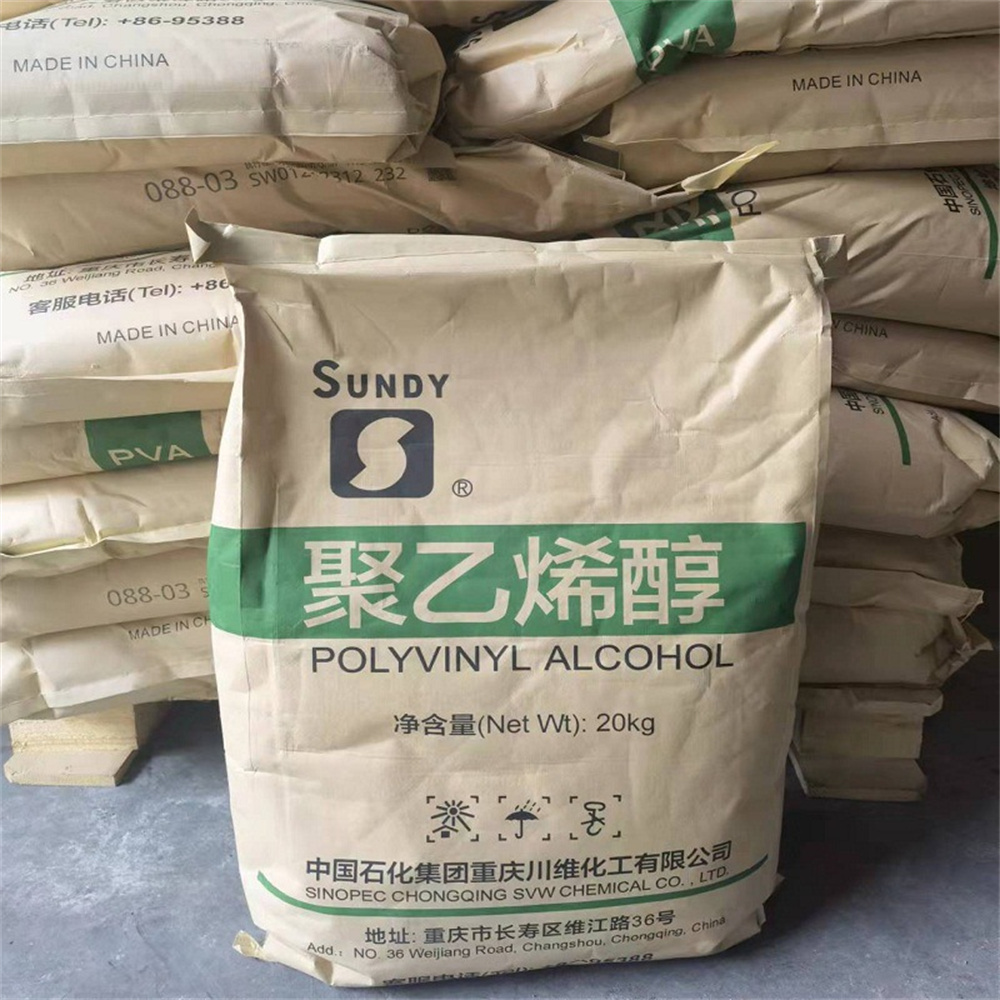
As a key downstream product of the oil industry, the PVA (polyvinyl alcohol) market has reacted accordingly. Reports indicate that Wanwei High-Tech (SH600063, stock price 7.07 yuan, market capitalization 14.629 billion yuan), a leading domestic PVA industry player, has issued a price adjustment notice. The company stated that due to rising raw material costs, it has decided to increase the prices of all PVA product varieties by 2,000 yuan per ton.
The PVA industry leader announced a price hike across its entire product line .The reason for the price increase is the rise in the cost of upstream raw materials, with price adjustments following market trends. On March 9, a spokesperson from the Investor Relations Office of Wanwei High-Tech explained to reporters.
However, the underlying reason is related to the rise in crude oil prices. As a fundamental chemical raw material, crude oil's price fluctuations are transmissive. Price adjustments are determined by upstream raw material suppliers. The upstream raw materials for PVA include vinyl acetate and ethylene, both of which are derived from crude oil.
China is the world's largest PVA producer, with Wanwei High-Tech being a leading enterprise in the domestic PVA industry and one of the globally most productive PVA manufacturers.
According to Wanwei High-Tech's 2025 interim report, PVA Resin, as a widely used polymer, is applied in various fields such as construction, textiles, new materials, and papermaking. The company has established four major industrial sectors: chemicals, chemical fibers, building materials, and new materials, along with five major industrial chains including VAC—PVA—PVA fiber, PVA—PVA optical film—polarizer, PVA—PVB resin—PVB film, biomass alcohol—ethylene—VAC—VAE/PVA, and VAC—VAE—re-dispersible powder.
The company's interim report for 2025 revealed that during the reporting period, its PVA production reached 152,700 tons, marking a 33.17% year-on-year increase. Sales revenue amounted to 1.333 billion yuan, rising by 24.58% year-on-year. This translates to a PVA selling price of 8,730 yuan per ton. Meanwhile, data indicates PVA supply shortages, with the market average price standing at 10,076 yuan per ton.
The U.S.-Iran conflict continues, with over half of chemical product prices rising accordingly. As a bulk commodity closely tied to oil, PVA prices are highly correlated with crude oil trends.
According to Xinhua News Agency, influenced by the ongoing military conflicts between the U.S., Israel, and Iran, international crude oil futures prices broke through $100 per barrel on March 8, marking the first time since mid-2022. Data showed that the futures price of light crude oil (WTI) for April delivery at the New York Mercantile Exchange surged to $111.24 per barrel, a 22.38% increase.
It is reported that due to the war blocking the passage of the Strait of Hormuz, major oil-producing countries such as Iraq, Kuwait, and the UAE were forced to reduce production because of insufficient oil storage capacity, further exacerbating the supply shortage.
The ongoing U.S.-Iran geopolitical tensions are one of the primary drivers behind the recent surge in chemical product prices. According to a research report released on March 8, during the first week of March (February 2 to February 6), 195 out of the 336 chemical products tracked by the report experienced price increases, accounting for 58% of the total. As the U.S.-Iran tensions continue to escalate, disruptions in crude oil supply and transportation have affected multiple countries, leading to sustained price hikes in chemical products.
In addition to PVA, price increases have been observed across multiple categories such as chromium chemicals, polyurethane, amino acids, and dyes. This indicates that cost pressures triggered by oil prices are spreading widely within the chemical industry.
The sharp fluctuations in crude oil prices have cast an uncertain shadow over the trends in commodity prices. How will oil prices evolve in the future? China imports approximately 20% of its crude oil from the Middle East and maintains a relatively robust strategic oil reserve. By releasing our strategic oil reserves to counteract the supply-side shock, we are less affected compared to Japan and South Korea, so there's no need to be overly pessimistic.